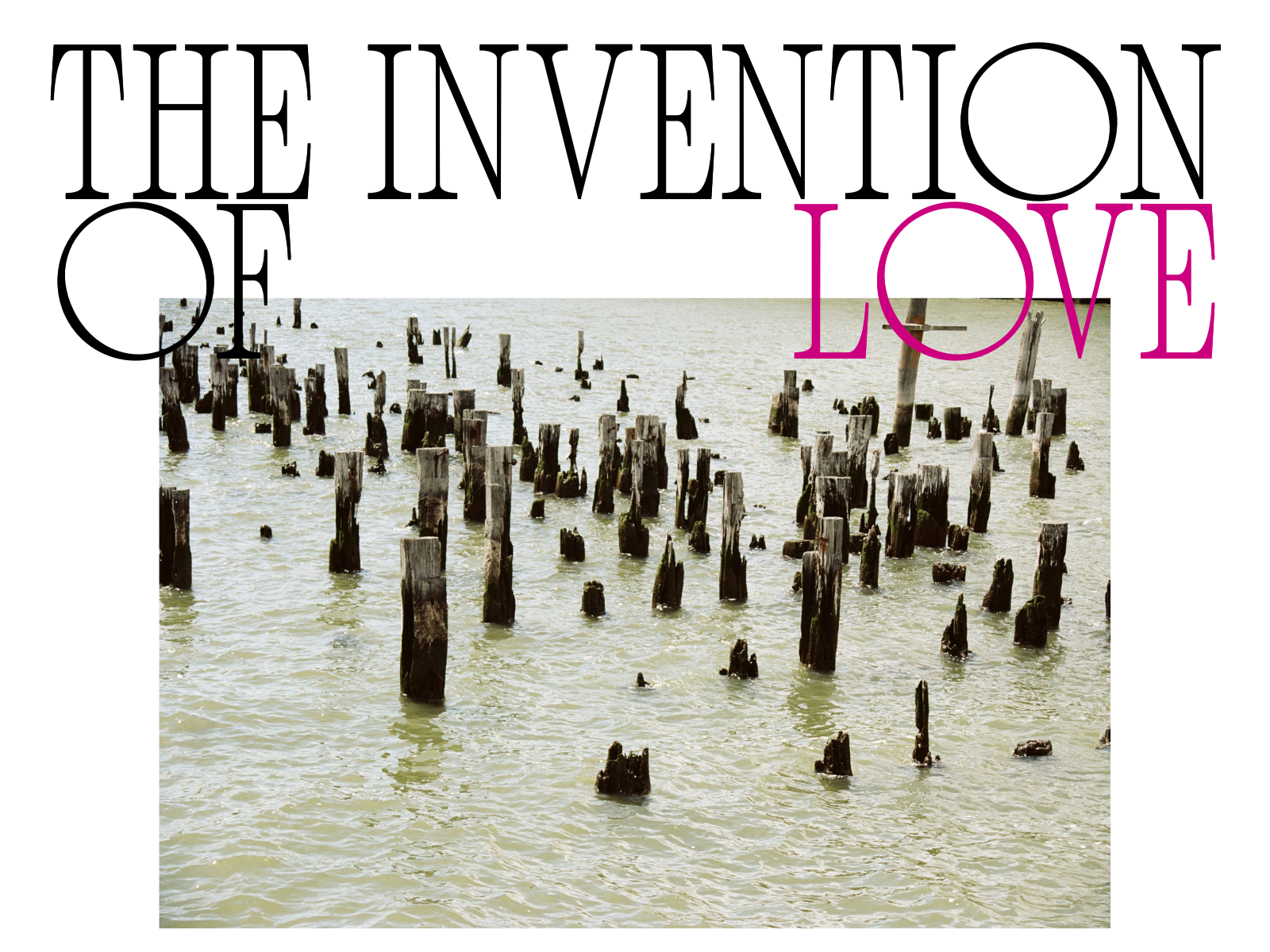
Ancient Greek mythology tells of the River Styx, separating the living from the Land of the Dead. The ferryman Charon escorts the newly dead across that river — but it’s a one-way journey, and Greek myths are full of characters who learn too late that they cannot return from the Stygian gloom of the underworld. Even the great king and hero Theseus cannot rescue his comrade Pirithous from the chains that hold him on the other side of the Styx.
In nineteenth-century Oxford, rowing down the River Thames was a popular and pleasurable way to pass an afternooon. As captured in stories like Jerome K. Jerome’s novel Three Men in a Boat (To Say Nothing of the Dog), the Thames was an escape from the highly regimented and rule-bound world of Victorian England. An Oxford education was built on a series of increasingly challenging exams, the Mods and the Finals, after which a student could get a First, a Second, a Third, or a pass degree — or fail. In the classics program, called “Greats”, professors like Benjamin Jowett and Mark Pattison worked carefully to avoid discussions of love between men in poems by Catullus, Horace, Propertius, and other Greek and Latin poets — not always easy, given the frank openness around sexuality in Greek and Roman culture.
In the Victorian era, before words like “homosexuality”, there were endless euphemisms for love between men: “unnatural vice”, “spooniness”, “beastliness”, “moral indecency”, “degeneracy”, and even “buggery”, which was officially a criminal act. The Labouchere Amendment of 1885 criminalized all sexual activity between men.
New artistic and intellectual currents emerged to challenge the oppressive, structured culture of the era, including Aestheticism, the movement championing “art for art’s sake”. Critics such as John Ruskin and Walter Pater debated the moral responsibility of art, beauty, and virtue in a modernizing culture.
Oscar Wilde, the most celebrated of the Aesthetes and an Oxford graduate, became the most famous man in Europe, but his celebrity and notoriety failed to insulate him from the new laws, and he was sentenced to two years’ hard labour for an affair with Lord Alfred Douglas, called Bosie, a poet best known for the line “I am the love that dare not speak its name”. Wilde died in exile in France in 1900.
The poet and scholar A.E. Housman (1859-1936) arrived at Oxford in 1877, a student in St. John’s College, where he met his lifelong friends Moses Jackson and Alfred Pollard. By the time of his death, Housman was best known for his two published collections of poems, A Shropshire Lad and More Poems, which were beloved for their romantic evocation of an imagined pastoral England. But most of Housman’s professional life was spent as a professor of Latin at Cambridge University. He published editions of the Latin poets Ovid, Lucan, Juvenal, and Manilius, and wrote scathing (and often very funny) critiques of other scholars’ work. Housman’s field was textual criticism, a notoriously arcane branch of scholarship: trying to correct the manuscripts of ancient texts, recovering them from the typos and errors they had accumulated over the centuries. Textual critics would propose emendations and conjectures, attempting to figure out what the ancient authors really wrote. Over his lengthy career, Housman brought a new level of rigor and insight to the field. He died a respected scholar and a celebrated poet, but refused to publish his more explicitly romantic poems during his lifetime, instructing his brother Laurence to destroy them after his death. Laurence published them instead.
W.H. Auden wrote of Housman that “deliberately he chose the dry-as-dust”. But Housman’s textual criticism was driven by a passionate love of poetry and a quest for truth. He only rarely betrayed the depth of feeling behind his classical studies, such as during one lecture on Horace, when he read his own translation of Horace’s poem “Diffugere nives” and the students were shocked to see that Professor Housman was near tears. As one student recalled later:
“That”, he said hurriedly, almost like a man betraying a secret, “I regard as the most beautiful poem in ancient literature” and walked quickly out of the room.